
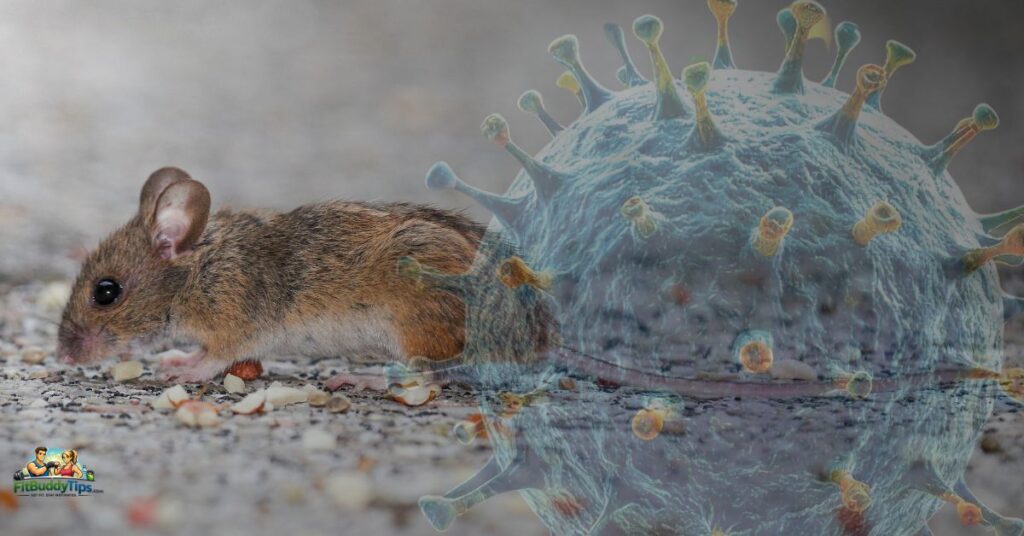
Recent Hantavirus cruise ship scare became a trending news and raised serious concerns about this not-so-serious infection.
Unfortunately, 3 people have lost their lives, but risk has been marked low by WHO, as hantavirus don’t spread from person-to-person.
It is believed that this virus spreads from rodent droppings and its source on the cruise is under investigation.
As we write this blog, 4 more people are found infected, and 1 is admitted to intensive care with serious symptoms. Rest 3 infected patients are found to have milder symptoms.
While this hantavirus cruise ship outbreak is controlled by the authorities, it is time to understand more about this virus, how it happens, and risks it can possess.

What is Hantavirus?
Hantavirus is a group of viruses which is primarily carried by rodents. Any human-to-human transmission has been ruled out by the authorities.
Hantavirus can spread through urine, droppings and saliva of rodents, when it gets airborne in a poorly ventilated spaces, and inhaled by a person.
Why this Hantavirus Cruise Ship Scare matters?
While hantavirus cruise ship outbreak has been neutralised by offering proper medical assistance to the affected people, but not before 3 people lost thier lives by this virus.
Although, this outbreak doesn’t point towards the human-to-human transmission, it highlights controlling the environments.
Cruise ship environments are controlled with high standards, still the outbreak manage to spread to smaller group of people. This is clear indication that contaminated food storage and rodent presence can be highly risky.
Most importantly, it doesn’t need a large crowd of people for this virus to spread.
Read More: The Rise of Fitness Rings for Women: Why Everyone Is Switching
Symptoms of Hantavirus
Hantavirus doesn’t have a specific symptoms pattern, making early detection challenging in itself.
However, here are some of the common early symptoms one should watch for;
- Fever and chills.
- Muscle ache (in large muscle groups)
- Fatigue
- Headache
In case of severe infections, medically known as Hantavirus Pulmonary Syndrome (HPS), symptoms like coughing, breathlessness, fluid buildup in lungs are also found.
This is the life-threatening stage of Hantavirus and needs immediate medical assistance.
How does Hantavirus Spreads
There is certain primary transmission routes identified, as;
- Inhaling the air that is contaminated with the rodent waste.
- Coming in contact of contaminated surfaces and then touching face.
- Less likely, but might transmit throuugh rodent bites.
This hantavirus cruise ship case suggests that transmission is not direct from rodent-to-human, and co-presence of rodents and contaminated environment is.
What should you know about the Prevention of Hantavirus?
The preventive measure focused on limiting the presence of rodent in the confined environments. Vital preventive measures are;
- Keeping storage and living areas clean, sealed and ventilated.
- Any contact with rodent droppings, saliva or urine must be avoided.
- Using protective gears like masks and gloves, while cleaning contaminated surfaces.
- Ensuring proper ventilation in closed spaces.
When you are sharing closed spaces with other people like on a cruise ships, hotels, camps, etc, basic hygiene should be non-negotiable.
Conclusion
The hantavirus cruise ship outbreak killed 3 people – which is a sad reality, but it is also a warning. Having awareness about this is critical.
It is a reminder that if you take your basic hygiene and cleanliness for granted even a rodent is capable of spreading life-threatening viruses.
Awareness about hantavirus will help in reducing unnecessary fear. You don’t have to avoid traveling – rather stay informed and prepared.
Please share this blog in your Facebook profile so more people get to know about this virus.

A former Army serviceman, I learned the value of discipline, resilience, and perseverance—qualities that continue to guide my life. My fitness journey sparked a passion for strength, mobility, nutrition, and overall wellness. Through my writing, I share practical, evidence-based fitness tips and workout guides to help readers lead healthier lives. Beyond fitness, I enjoy traveling and exploring new places, believing that both fitness and travel inspire confidence, growth, and lifelong adventure.