
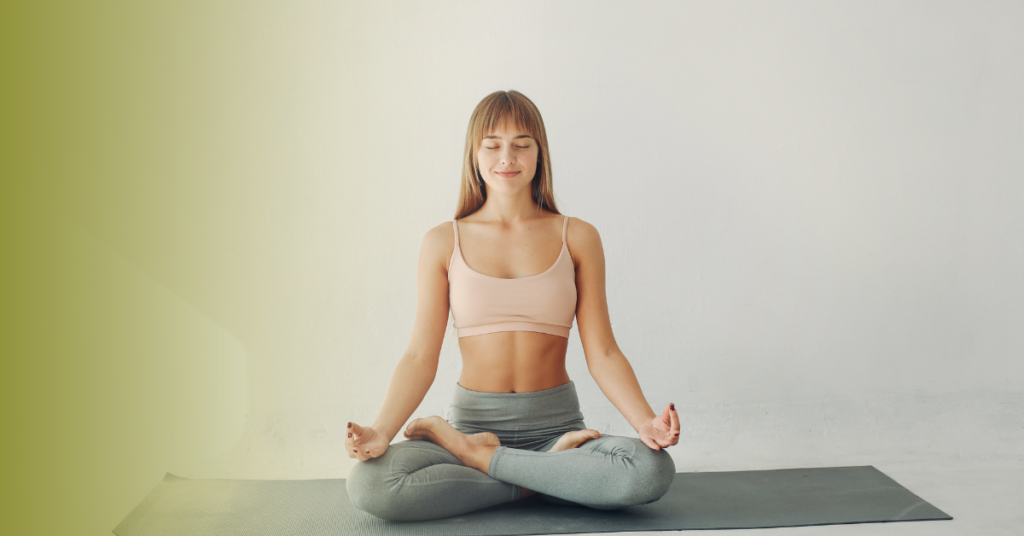
Yoga is one of the most accessible forms of exercise, offering benefits for the body, mind, and soul.
Whether your goal is to improve flexibility, reduce stress, build strength and endurance, or enhance overall well-being, yoga can help in achieving it.
However, before stepping onto a yoga mat, it’s important to know a few basic prerequisites that will help you practice safely, with precision; and get the most out of every session.
But the good thing is that you don’t need to be flexible, athletic, or experienced to begin yoga. All you need is the right mindset, a modest preparation, and regularity.
Why Preparation Matters
Many beginners misunderstood yoga as simple stretching movements, but it’s much more than that.
Proper preparation helps reduce the risk of injury, improves your posture and breathing, and allows you to enjoy the practice instead of feeling frustrated or overwhelmed.
By following a few simple guidelines, you’ll build a strong foundation for a rewarding yoga journey.
Consult Your Healthcare Provider If You Have Medical Conditions
Yoga is generally safe for most people, but in some medical conditions you need to be cautious. Speak with your healthcare provider if you have:
- Heart disease
- High blood pressure
- Severe arthritis
- Chronic back or neck pain
- Recent surgery
- Herniated disc
- Osteoporosis
- Pregnancy or postpartum concerns
A qualified yoga instructor can also recommend pose modifications based on your individual needs.
Choose the Right Style of Yoga
Not all yoga styles are suitable for beginners. Starting with a gentle practice allows your body to adapt gradually.
Good yoga options are:
- Hatha Yoga: Slow-paced and ideal for learning basic poses.
- Gentle Vinyasa: Introduces flowing movements without excessive intensity.
- Chair Yoga: Perfect for seniors or people with limited mobility.
- Restorative Yoga: Focuses on relaxation and stress relief.
Avoid advanced or fast-paced classes until you’ve developed strength, balance, and confidence.

Wear Comfortable Clothing
Your clothing should allow free movement of the body. It shouldn’t restrict your natural movement.
Choose clothes that are:
- Stretchable
- Breathable
- Moisture-wicking
- Comfortable without being overly loose
One doesn’t need expensive yoga apparels—comfort matters more than the brand.
Practice on an Empty or Light Stomach
Yoga involves bending, twisting, and balancing. It is therefore wisely recommended to avoid practicing yoga after heavy meal as it can cause discomfort.
As a general guideline:
- Wait 2–3 hours after a full meal.
- If you’re hungry, have a light snack such as a banana, yogurt, or a handful of nuts about 30–60 minutes before your session.
It will feel energized without feeling heavy.
Stay Hydrated
Hydration is important in general, as it supports muscle function and overall performance.
Drink water throughout the day, but avoid consuming large amounts immediately before your practice. If your session is particularly vigorous or takes place in a warm environment, rehydrate pre and post session in small amounts.
Invest in a Good Yoga Mat
A quality yoga mat helps in maintaining stability and safety by providing:
- Better grip
- Joint cushioning
- Improved balance
- Good comfort during floor poses
A non-slip mat is especially helpful for beginners who are in early stages of maintaining balance and proper alignment.
Warm Up Before Starting
Even though yoga is gentle, warming up engages your muscles and joints for movement.
Also, spend 5–10 minutes doing simple mobility exercises such as:
- Neck rolls
- Shoulder rotations
- Wrist circles
- Hip rotations
- Cat-Cow stretches
- Gentle side bends
- Marching or walking in place
A proper warm-up helps reduce stiffness and improves flexibility.
Learn Proper Yogic Breathing
Yoga isn’t about performing movements only. Proper breathing is one of the most important aspects of yoga.
Instead of holding your breath, practice:
- Slow, controlled breathing
- Inhaling and exhaling through the nose whenever possible
- Coordinating your breath with each movement
Mindful breathing enhances concentration, resulting in better mind and muscle connection. It also calms the nervous system, and improves endurance during practice.
Listen to Your Body
One of the biggest mistakes beginners make is trying to imitate advanced practitioners. While it is really difficult to suppress your urge to keep trying new things as you become better.
But you wouldn’t want to face a situation of getting injured in trying to imitate movement that require more practice.
Remember:
- Stretching should never be painful.
- Stop immediately if you experience sharp pain.
- Modify poses whenever necessary.
- Rest in Child’s Pose whenever you need a break.
Yoga is a personal journey, not a competition.
Set Realistic Expectations
In initial days of your yoga practice, try to keep moving slow. What I mean is, set realistic expectations. You don’t need to touch your toes or perform complex poses from the day one.
Progress comes with consistency.
Over time, you may notice improvements in:
- Flexibility
- Strength
- Balance
- Posture
- Energy levels
- Stress management
- Mental clarity
Celebrate small improvements instead of chasing perfection.
Create a Calm Practice Environment
A peaceful space can make your yoga practice more enjoyable and focused. Also it helps in concentration as it is required in so many asanas.
Choose an area that is:
- Quiet
- Well-ventilated
- Free from distractions
- Spacious enough to move comfortably
If you want, play soft instrumental music or practice in silence, depending on what helps you relax.
Learn from a Qualified Yoga Instructor
While online videos are a convenient starting point, but whether it is an authentic source to learn yoga – that’s debatable. Learning from a certified instructor can make a significant difference.
A trained teacher can:
- Correct your posture
- Prevent injuries
- Suggest modifications
- Build a progressive practice suited to your goals
Even attending a few beginner classes can help you establish proper techniques.
Common Beginner Mistakes to Avoid
Keep these tips in mind as you start:
- Comparing yourself to others
- Skipping warm-ups
- Holding your breath
- Practicing immediately after eating
- Ignoring pain
- Practicing inconsistently
- Attempting advanced poses too soon
Avoiding these mistakes will help you enjoy yoga, which will reward in many ways later.
Your First Yoga Checklist
Before every session, remember to:
- Wear comfortable clothing.
- Practice on an empty or light stomach.
- Use a non-slip yoga mat.
- Keep water nearby.
- Warm up for 5–10 minutes.
- Focus on steady breathing.
- Move within your comfort level.
- End your practice with relaxation or meditation.
Final Thoughts
Beginners don’t need expensive equipment, exceptional flexibility, or prior experience to start yoga. What matters most is your willingness to begin with patience, mindfulness, and consistency.
By following these basic prerequisites, you’ll create a safe, effective and enjoyable practice sessions. Yoga supports both physical health and mental well-being.
Remember, yoga is not about achieving the perfect pose—it’s about creating a healthier, more balanced version of yourself, one breath at a time.

Nibedita Sahoo is a certified yoga instructor and holistic wellness practitioner with over 21 years of experience promoting physical, mental, and spiritual well-being. She holds an M.A. in Yoga from Utkal University of Culture and postgraduate and undergraduate degrees in Sanskrit. As a freelance yoga therapist, she has led private and corporate wellness programs, mentored students, and served as a yoga judge at events across Odisha. She is passionate about helping people achieve healthier, more balanced lives through yoga, meditation, Ayurveda, and mindful living.
Pingback: 7-Day Beginner Yoga Plan for Strength and Flexibility
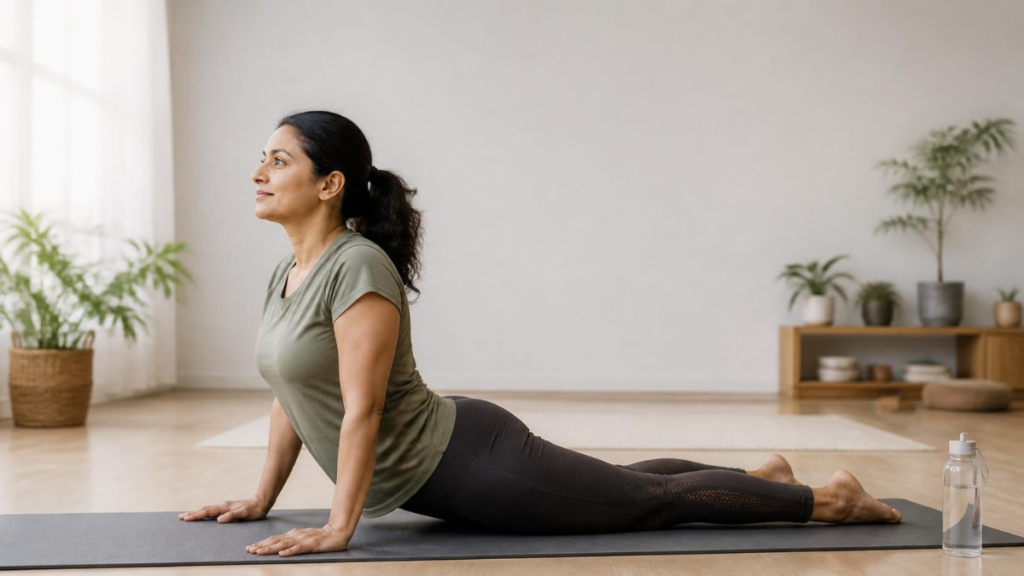
Pingback: 6 Yoga Asanas for Blood Sugar Control Naturally