
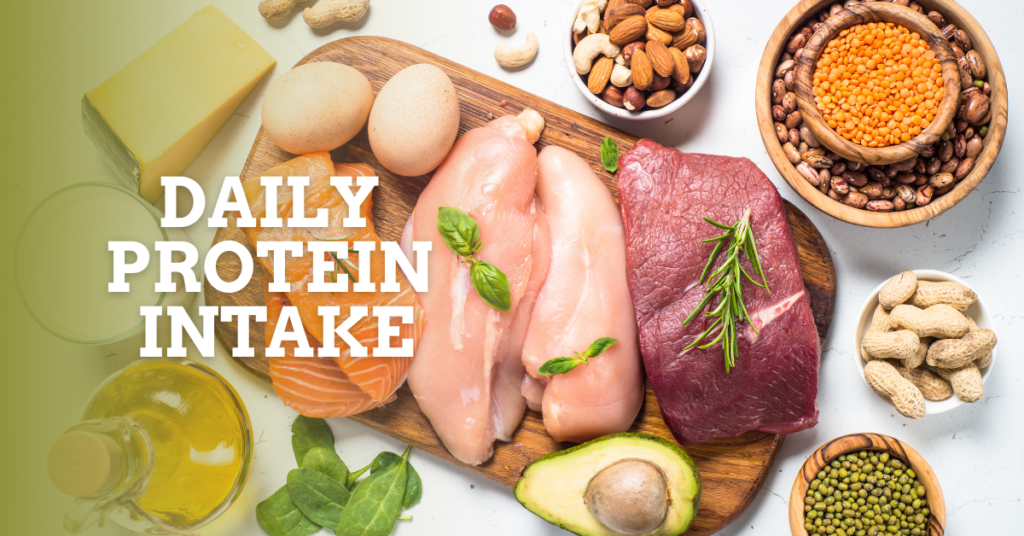
Protein is one of the most essential nutrients all of us need. It provides for various functions, however, there is always a confusion concerning how much protein you actually need in your daily diet.
There is this long going debate over whether everyone needs protein shakes or high protein diet. While many people support adding protein shake into their regular diet, but many simply believe regular meals are good enough for protein requirements.
Basically, it’s a debate between users and non-users of protein shakes and high protein diets; both wanting to establish legitimacy of their practice.
If you are also curious and want to know how much protein do you need daily, answer lies in various factors we are discussing ahead.
Why Is Protein Important?
Protein is a large molecule made up of chain of amino acids. Protein is in fact building block for muscles, skin, bones, hormones and enzymes. It helps body in;
- Build and repair muscles
- Support healthy bones
- Keep you feeling full for longer
- Maintain a healthy immune system
- Helps recovering after exercise or injury
People with low protein in diet often experience muscles loss, poor recovery from workout/injury, fatigue and, uneven and increased hunger.
How Much Protein Do You Need?
This table illustrates the daily protein requirements based on body weight for people with different lifestyles;
| Lifestyle | Daily Protein Requirement |
| Sedentary adults | 0.8 grams per kg of body weight |
| Moderately active adults | 1.0–1.2 grams per kg |
| Regular exercisers | 1.2–1.6 grams per kg |
| Strength training or muscle building | 1.6–2.2 grams per kg |
| Older adults (50+) | 1.0–1.2 grams per kg |
Information Sources:
Above table shows a general guideline. Individual requirements vary from person to person and depend on health, diet, and fitness goal.

Best Protein Sources
Many people are sceptical about meeting daily protein requirements from expensive protein supplements. They can include below high protein-rich foods in thier diet for meeting their daily protein requirements.
| Vegetarian Sources | Non-Vegetarian Sources |
|---|---|
| Paneer Tofu Lentils (Dal) Chickpeas Kidney beans (Rajma) Soy chunks Greek yogurt Milk Peanuts Mixed nuts and seeds | Eggs Chicken breast Fish Lean meat Turkey Prawns |
A balanced diet with different protein sources should usually work for most healthy adults.
Should You Use Protein Powder?
Protein powder is a very convenient source of protein for people who struggle to meet daily requirements from their regular food.
However, if you focus on protein rich whole foods, it also provides vitamins, healthy fats and quintessential fibre.
Protein supplements is a good addition to the diet of the people who are into above-average working out 4-5 days a week.
According to me, best thing about protein powder is, considering you take it in shake form, you would be eating lot less (the quantity of food) to get 30-35gms of proteins from one small meal.
But protein powder is an additional expenditure. Thus, whether you should include it in your diet or not, must be a personal choice based on the scenarios we have explained.
Can You Eat Too Much Protein?
For most healthy adults, high protein diet shouldn’t be a concern, and it is considered safe in a healthy diet program.
However, extremely high protein intake over an extended period of time might not give you added benefits, and isn’t suitable for people with certain kidney conditions.
If you already have kidney conditions, it is recommended to consult your doctor before increasing your protein intake.
Tips to Increase Your Daily Protein Intake
- Include a protein source with every meal.
- Start your day with a protein-rich breakfast.
- Snack on roasted chickpeas, yogurt, or nuts.
- Add lentils or beans to soups and salads.
- Spread your protein intake throughout the day instead of eating it all at one meal.
Conclusion
There is no such one-size-fits-all type of scale to understand your daily protein requirements. How much protein do you need daily then!
Your protein requirement is dependent on few factors, i.e., your body weight, your daily activity levels and health goals. Health goal refers to whether you are undergoing weight loss, looking to gain weight or simply maintaining existing weight.
Consuming protein powder is a personal choice and one can get to conclusion easily by considering their fitness goals.
Try to get your protein requirements from the food as much as possible, if you aren’t into extreme fitness or sports.
Let us know your thoughts on this topic! If you are taking protein powder, do share your experience.

A former Army serviceman, I learned the value of discipline, resilience, and perseverance—qualities that continue to guide my life. My fitness journey sparked a passion for strength, mobility, nutrition, and overall wellness. Through my writing, I share practical, evidence-based fitness tips and workout guides to help readers lead healthier lives. Beyond fitness, I enjoy traveling and exploring new places, believing that both fitness and travel inspire confidence, growth, and lifelong adventure.

Pingback: How to Make Indian Veg Curries Healthier at Home
Pingback: Reheated Rice Hack: Does It Reduce Blood Sugar Spikes?
Pingback: Walking Workout for Fat Loss: Easy Fitness Hack 2026
Pingback: Protein Needs for Indian Women by Age & Lifestyle
Pingback: Protein-Packed Indian Breakfasts to Keep You Full Longer