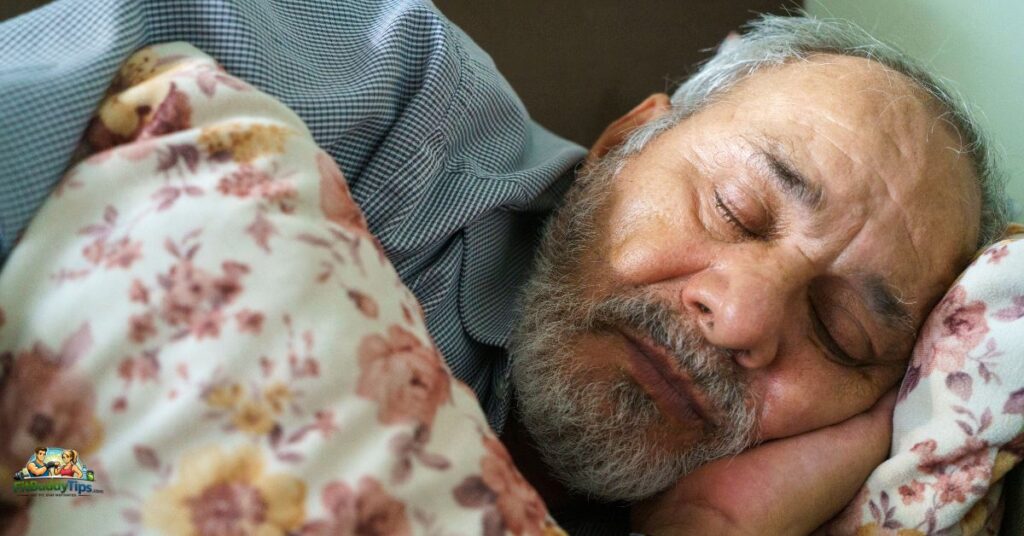
How often do you feel like taking morning naps, even after having a sound sleep for the night!
A morning nap, once in a while is fine, it feels refreshing, but if you are caught frequently napping in the morning, or taking longer naps, consider reading this blog till the end.
Taking morning naps frequently, might not just be tiredness. It can have more underlying health risks. You can say, your body is giving you indications.
A recent study has raised serious concerns over morning naps, suggesting It could be indications of health issues, mainly in older adults.
What does study say about the Morning Naps?
A report published on Jama Network carried out an experiment, where they studied napping patterns of 1338 adults, above the age of 56 years, who nap in morning/daytime.
The observations were recorded by wearable devices, as earlier similar studies employed a self-reporting system, which isn’t 100% reliant.

Key findings of this report are;
- People with longer naps are linked with higher morality risks
- Frequent napping only increases the risk further
- Morning napping are found to be strongly associated with mortality
In fact, people who are habitual of morning napping have showed higher risks comparable to who take an afternoon nap.
This isn’t to say that naps are dangerous – it certainly gives clear signals of something deeper.
Why are Morning Naps the keyword in the entire study?
Experts believe, morning naps aren’t the causes of health issues. Rather, it is a symptom.
It can be summed up as;
Poor night sleep quality
If a person feels sleepy in the morning, it is associated with poor night sleep quality. It could be due to below reasons:
- Sleep apnea
- Insomnia
- Irregularity in sleep cycles
Chronic Health Disorders
Excessive morning or daytime napping is directly linked with underlying chronic health conditions like;
- Cardiovascular diseases
- Neurodigestive diseases
- Inflammation and fatigue-linked diseases
Read More: 40+ and Want to Stay Fit? These Bodyweight Exercises Actually Work
Circadian Rhythm Disturbance
In general conditions, given all other conditions are same, your body tends to feel sleepy around afternoon, or day time.
However, if you feel sleepy in the morning, it may be due to disturbance in Circadian clock of your body.
How Bad is napping?
Let’s make it clear at the outset. Not all napping is considered bad or harmful.
In the research, it is clearly found;
- Short naps (20-30 minutes) in daytime can improve alertness and performance
- It can also help reducing fatigue and boost productivity.
Main problems with napping start, when;
- Long napping time (1 hour or more)
- Napping frequently (some people are habitual of it)
- Napping too early in the day
In the research it is revealed that long naps are associated with increased risks of heart diseases and diabetes among older adults.
Therefore, napping isn’t the problem, rather – when and how is the real concern.
Why this Study on Morning Naps make sense?
Credibility of any research depends on few core aspects of conducting the experiment on the sample size. This particular Jama Network study stands out because of the following;
- The collection of sample data is done through wearable devices, thereby rejecting deviations that might happen during self-reporting.
- The participants were tracked nearly for two decades. This provides for a long observation period.
- It analysed sleeping patterns on the basis of timing, duration and frequency of napping habit.
This study is believed to be one of the most reliable research projects done on morning naps and health risk till today.
What is in it for you?
There is no real reason to worry as yet, but here is what you can consider doing if you nap frequently, more so in the morning.
Prefer short naps
First recommendation would be to keep your naps short, not more than 20-30 minutes.
Timing is important
Choose your naps wisely. Daytime napping within 1-3 PM is perfectly okay, as around that time one naturally gets tired.
Try to Improve the night sleep
If you are seriously looking at improving your night sleep, consider adopting below;
- Try to sleep in fixed schedule
- Reducing screen time before and around bed time
- Create dark and quiet sleeping environment
Keep an eye on your Energy Levels
If you feel exhausted or tired even after sleeping well every night, you need to get checked for a proper investigation.
Consult the Doctor
Persistent daytime sleep is linked with sleep disorders, hormonal imbalances, or chronic fatigue. Early diagnosis of these issues is key to prevent underlying bigger health issues later.
Final Thoughts
Morning naps, in itself look harmless, but is considered as one of the symptoms of bigger underlying health risks.
Undoubtedly, short naps are beneficial for boosting performance and productivity, one must check for frequency and duration.
Listen to your body, and see your doctor if needed. Early diagnosis can be a real heads up in preventing bigger health risks.
A healthy and active lifestyle, good eating habit, better sleep quality, and overall energy levels can be crucial in maintaining good health at an older age.
Feel free to share your thoughts on this study in the comments below.

A former Army serviceman, I learned the value of discipline, resilience, and perseverance—qualities that continue to guide my life. My fitness journey sparked a passion for strength, mobility, nutrition, and overall wellness. Through my writing, I share practical, evidence-based fitness tips and workout guides to help readers lead healthier lives. Beyond fitness, I enjoy traveling and exploring new places, believing that both fitness and travel inspire confidence, growth, and lifelong adventure.